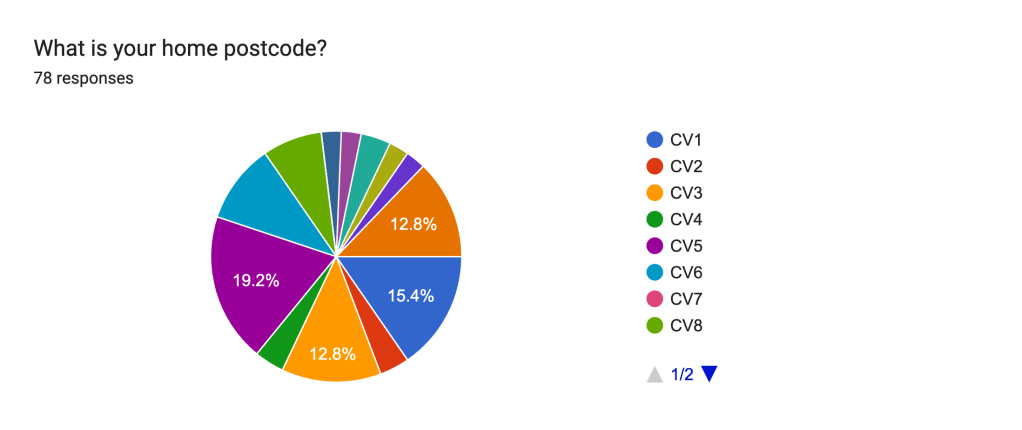
Just over 65% live in a CV1-6 postcode, and only 12.8 % do not live in a CV postcode area.
Organisations represented at leadership and/or decision-making level included: Action Rayz, Arty-Folks, Belgrade Theatre, Coventry Artspace, Coventry Biennial, Coventry Cathedral, Coventry City Council, Coventry Music, Coventry University, CV Life, EGO arts, Foleshill Creates, Herbert Art Gallery and Museum, Highly Sprung Performance, Imagineer, Love + Madness, LTB Showrooms, Maokwo, Mercurial Dance, Open Theatre, Radical Body, Shoot Festival, Sitting Rooms of Culture, St Mary’s Guildhall, Talking Birds, The Tin Music and Arts, Theatre Absolute, Underground Lights, University of Warwick, Vortex Creates, Warwick Arts Centre
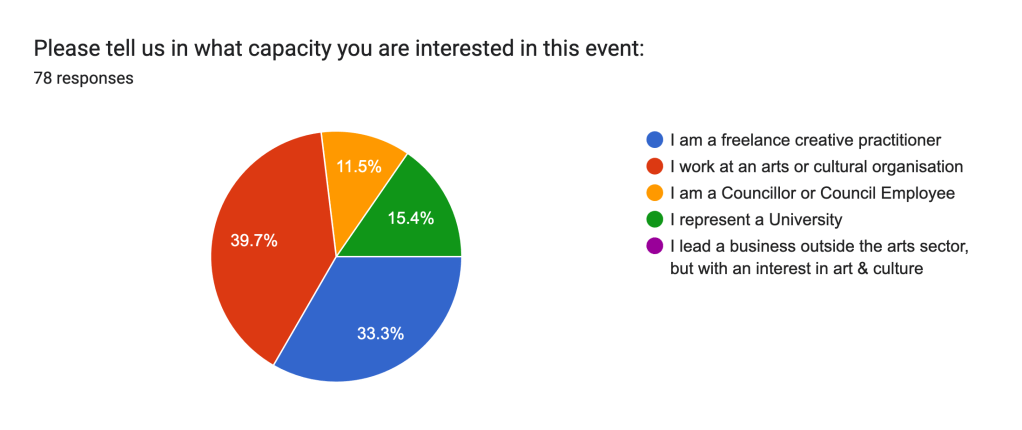
Please note that some people who selected “I work at an arts or cultural organisation” are also Freelance Creative Practitioners, but there was no opportunity to tick both options. However, taking this into account we are pleased to say that our target of 50% freelance representation at The Future Works event was met. There was an allowance in the budget to award freelance/unwaged artists attending a £50 stipend – we expect 37 of the 71 attendees to claim this payment. In addition, 10 locally based freelance creative practitioners were employed as small group facilitators.
We wanted to make sure there was good freelance representation, and a good variety of artform/practice represented. The artform question was text entry rather than tick box, which means the data does not exist in pie chart form, but we are confident that there was a good variety of artforms and practices represented.
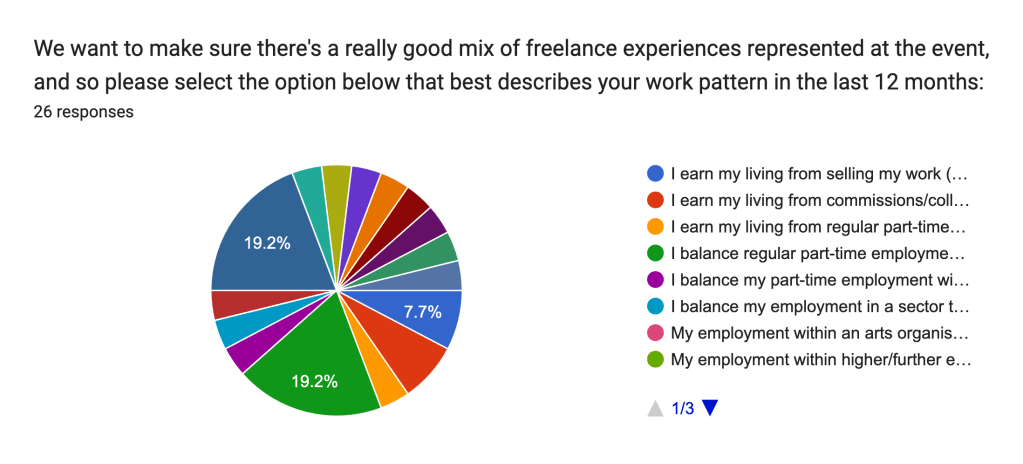
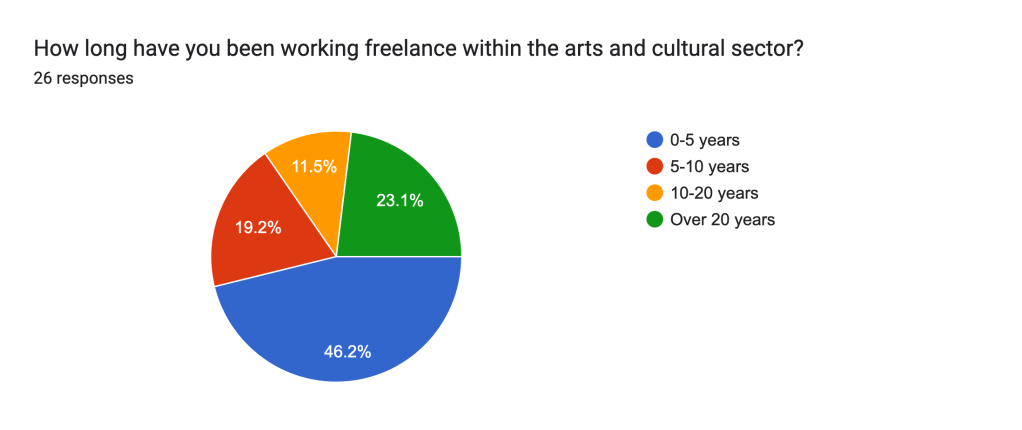
19.2% of respondents agreed with the statement “I balance regular part-time employment/short-term contracts within arts or cultural organisation(s) with my freelance arts practice, roughly half and half” and another 19.2% agreed “Without the independent support (other household income/savings/family circumstances/other support) which I have in place, I would not be able to afford to pursue my creative career”.
The next largest segment was 7.7% “I earn my living from selling my work (eg fine art/craft/literature/private commissions).”
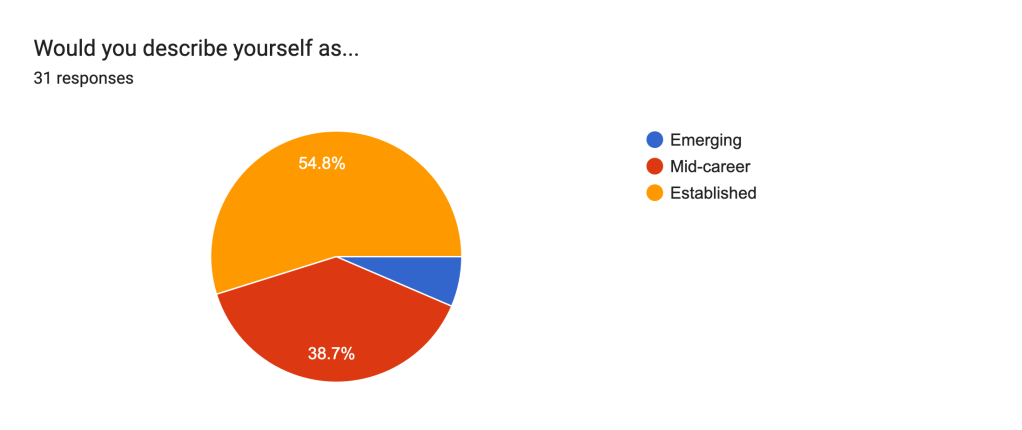
Monitoring Data
This event was explicitly aimed at individuals in leadership and decision-making roles within organisations, and at freelance creative practitioners.
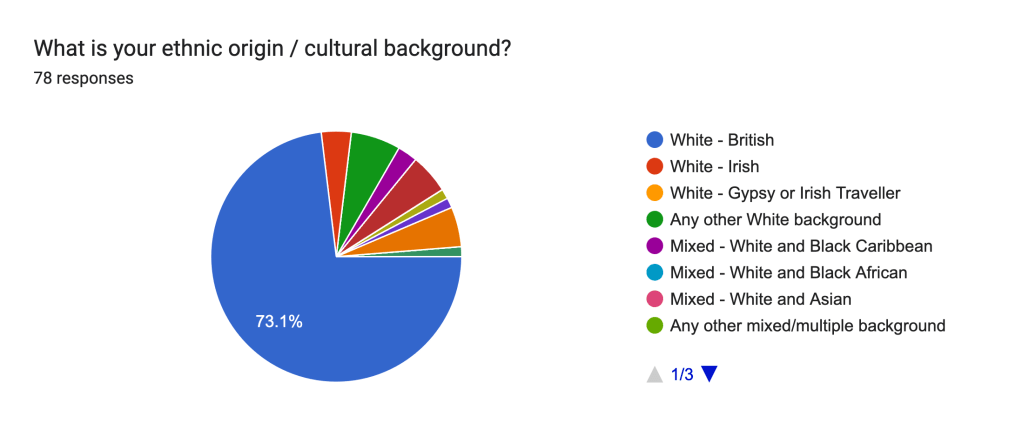
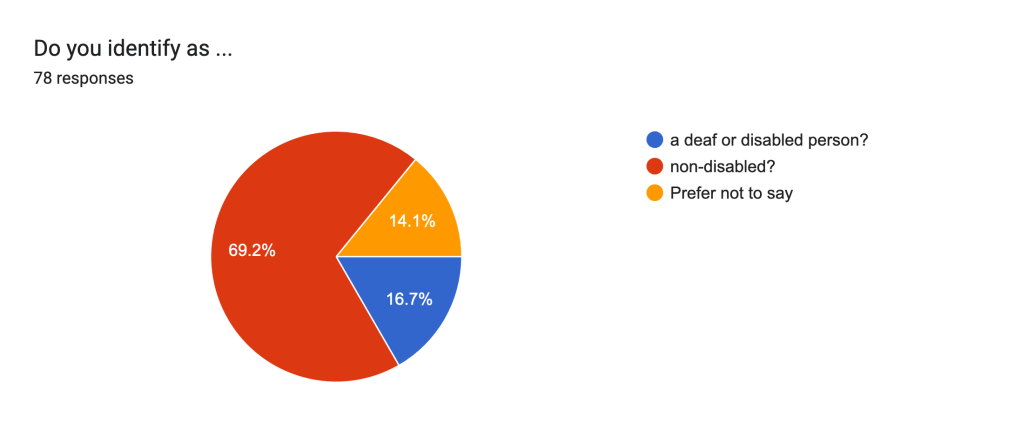
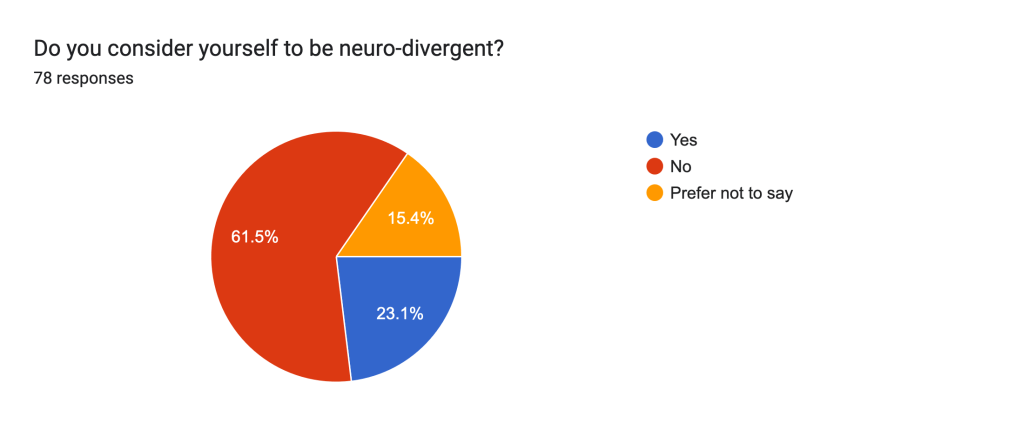
The demographic data collected raises questions for us about local sector diversity specifically within leadership and decision-making roles; but we also have to wonder whether this data backs up anecdotal evidence that the local freelance creative workforce is significantly less diverse in the wake of the pandemic (reversing any gains of the City of Culture investment – see page 77 of the CoC evaluation for data on freelancers) – given how much more precarious it is now to pursue a career in the arts, even compared to five years ago.
If anyone has any hard and fast data on the make up of the city’s freelance creative workforce pre and post pandemic, we’d love to hear from you.
 The Culture Works Collective
Leave a comment